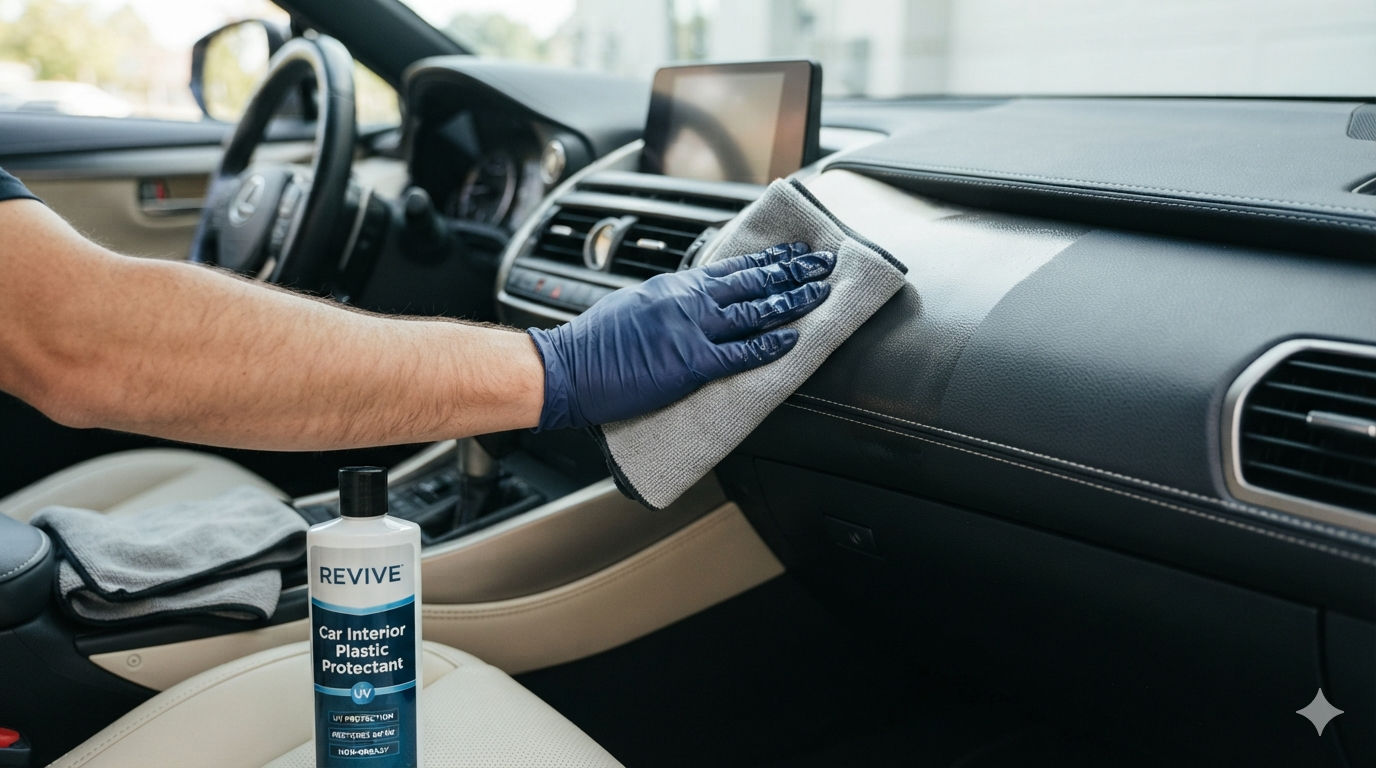
Your car’s interior plastics can look perfect when the vehicle is new, but years of sunlight, heat, dust, and daily use slowly change that. Dashboards become faded, door panels lose their original color, and some plastics eventually develop cracks that make the entire cabin look older than it actually is.
The frustrating part is that many drivers use products that create instant shine but do little to protect against the real cause of damage — UV exposure.
Choosing the right product is not simply about finding the glossiest dashboard spray. The best car interior plastic protectant should provide UV protection, maintain the original factory appearance, resist dust buildup, and work safely across different interior materials. Some products are designed for routine cleaning, while others focus on long-term protection or restoring faded surfaces.
To find the best options, we evaluated popular interior plastic protectants based on UV resistance, finish quality, surface compatibility, durability, application method, and feedback from US car owners.
Whether you drive in the intense sun of Texas and Florida, own an older vehicle with aging plastics, or simply want to keep a new car looking fresh, this guide will help you choose the right protection for your interior.
Table of Contents
What Does a Car Interior Plastic Protectant Actually Do?
A car interior plastic protectant is designed to slow down damage caused by sunlight, heat, oxidation, and everyday wear. Unlike a simple cleaner that removes dust, fingerprints, and surface contamination, a protectant adds a protective layer that helps reduce UV-related fading and drying.
Many drivers confuse cleaners, dressings, and protectants because they often come in similar spray bottles. However, their purposes are different.
A cleaner removes dirt and oils from the surface. It can make plastic look better temporarily, but it does not prevent long-term UV damage. A protectant contains ingredients designed to create a barrier against environmental stress, helping plastics maintain flexibility and appearance.
Some all-in-one products combine cleaning and protection, making them convenient for regular maintenance. However, they usually provide less specialized protection compared with dedicated UV protectants.
The goal of a quality interior plastic protectant is not to make your dashboard extremely shiny. In fact, excessive gloss can create windshield reflections and attract more dust. Premium formulas are usually designed to leave a natural matte or satin finish similar to the original factory appearance.
Protectant vs. Cleaner — Why Most People Confuse Them
One of the biggest mistakes car owners make is assuming that a clean dashboard is a protected dashboard.
Interior cleaners are excellent for removing:
- Dust
- Fingerprints
- Food residue
- Oils
- General cabin dirt
However, cleaning alone does not stop UV rays from breaking down plastic materials.
A protectant works differently by adding ingredients that help shield surfaces from sunlight, oxidation, and drying. Products like 303 Aerospace Protectant and ceramic-based protectants are designed specifically around long-term preservation rather than only improving appearance.
Some traditional silicone-based dressings create a glossy finish that looks impressive immediately, but they may attract dust and leave a slippery surface. For modern vehicles with textured dashboards and soft-touch materials, a low-gloss, water-based formula is usually the safer choice.
Why Plastic Fades and Cracks in the First Place
Car interior plastics are constantly exposed to conditions that slowly weaken their structure.
The biggest factor is ultraviolet radiation from sunlight. UV-A and UV-B rays can break down the chemical bonds inside plastic polymers such as polypropylene and ABS materials. Over time, this causes discoloration, fading, and loss of flexibility.
Heat makes the problem worse.
A parked vehicle can reach extremely high temperatures during summer months, especially in states like:
- Texas
- Florida
- Arizona
- California
- Nevada
Repeated heating and cooling cycles cause plastics to expand and contract. This process gradually removes moisture and flexibility from interior materials, making them more likely to become brittle.
Poor-quality dressings can also contribute to problems. Heavy silicone-based products may create a shiny surface layer but do not always provide the type of UV protection needed for long-term preservation.
It is important to understand that protectants are preventative products. Once plastic has deep cracks or severe UV damage, no dashboard protectant can completely restore it. The best strategy is protecting your interior before permanent damage occurs.
How to Choose the Best Car Interior Plastic Protectant -Without Wasting Money
Buying a car interior plastic protectant can be confusing because dozens of products promise a “like-new shine,” “maximum protection,” or “advanced UV defense.” However, appearance alone does not determine whether a product will actually protect your dashboard and interior trim.
The right protectant depends on several factors, including your climate, vehicle age, interior material, preferred finish, and how often you want to maintain your car. A product that works perfectly for a garage-kept vehicle in a mild climate may not provide enough protection for a daily driver parked outside in Arizona or Florida.
Before choosing a product, focus on these five factors: UV protection, finish type, surface compatibility, durability, and formula type.
UV Protection — The #1 Factor Most Buyers Overlook
The primary reason interior plastics fade, dry out, and crack is prolonged UV exposure. Therefore, UV protection should be the first thing you evaluate when choosing a dashboard or plastic protectant.
Many products advertise “UV protection,” but not all formulas provide the same level of defense. High-quality protectants often use specialized UV absorbers that help reduce the damage caused by sunlight exposure.
Look for products that mention ingredients or technologies associated with UV resistance, such as:
- Benzotriazole-based UV absorbers
- Oxalanilide UV stabilizers
- Advanced polymer protection technology
These ingredients help absorb harmful UV energy before it damages the plastic surface.
Drivers in high-sun areas should prioritize stronger UV protection. States such as Texas, Florida, Arizona, California, and Nevada expose vehicle interiors to intense sunlight throughout the year.
For these conditions, products such as:
- 303 Aerospace Protectant
- Marine 31 Vinyl Protectant
- Cerakote Rapid Ceramic Plastic Protectant
are better suited because they focus heavily on long-term UV resistance rather than temporary shine.
A common mistake is choosing a product because it creates a glossy appearance. Shine does not equal protection. In many cases, a greasy finish simply sits on top of the surface without providing meaningful UV defense.
Finish Type — Matte, Satin, or Gloss? (And Why It Matters)
The finish a protectant leaves behind is more important than many buyers realize. A dashboard that looks extremely shiny may appear attractive in product photos, but it can create problems in everyday driving.
Matte Finish
A matte finish provides the closest appearance to a factory-new interior.
Benefits:
- Minimal windshield glare
- OEM appearance
- Less visible fingerprints
- Does not attract as much dust
- Safer for modern dashboards
Most newer vehicles from manufacturers like Toyota, Honda, Ford, BMW, and Tesla use low-gloss interior materials because they look cleaner and reduce reflections.
Products like 303 Aerospace Protectant are popular because they restore a clean factory appearance rather than creating an artificial shine.
Satin Finish
A satin finish sits between matte and gloss.
It provides:
- Slight enhancement of color
- A clean refreshed appearance
- Moderate shine without excessive reflection
This is often preferred by car enthusiasts who want their interior to look freshly detailed without appearing greasy.
Gloss Finish
Glossy protectants provide immediate visual impact, especially on older vehicles.
However, there are disadvantages:
- More dashboard glare
- More visible dust
- Can feel slippery on high-touch surfaces
- May look unnatural on modern interiors
Gloss finishes should generally be avoided on:
- Steering wheels
- Gear selectors
- Door handles
A slippery steering wheel can become a safety issue while driving.
For most daily drivers, a matte or satin protectant is the better choice.
Surface Compatibility — Not All Protectants Work on Every Material
One of the easiest ways to damage your interior is using the wrong product on the wrong surface.
Modern vehicles contain many different materials, including:
- Hard plastic dashboards
- Soft-touch coatings
- Vinyl panels
- Rubber trim
- Piano black gloss plastics
- Touchscreen surrounds
- Leather surfaces
Each material reacts differently to chemicals.
Hard Plastics
Examples:
- Dashboard panels
- Door inserts
- Center consoles
- Plastic trim pieces
Most quality interior protectants are safe for these surfaces.
Recommended options:
- 303 Aerospace Protectant
- Meguiar’s Ultimate Protectant
- Chemical Guys Total Interior Cleaner & Protectant
Soft-Touch and Rubberized Surfaces
Soft-touch materials require more caution.
These surfaces often have special coatings designed to create a premium feel. Strong solvents or heavy silicone formulas may cause:
- Sticky texture
- Discoloration
- Premature coating failure
For these areas, choose water-based products with a natural finish.
Piano Black and Gloss Trim
Gloss black interior trim scratches easily and shows residue quickly.
Avoid:
- Abrasive cleaners
- Thick greasy dressings
- Products leaving heavy buildup
Use lightweight, residue-free protectants and always apply with a clean microfiber cloth.
Touchscreens and Infotainment Areas
Most dashboard protectants should not be applied directly to:
- Touchscreens
- Navigation displays
- Digital instrument clusters
Many formulas can leave:
- Streaks
- Fingerprint-attracting residue
- Reduced touchscreen responsiveness
Always check the manufacturer label before applying near electronics.
Leather Surfaces
Plastic protectants are not leather conditioners.
Leather requires products designed specifically for:
- Leather cleaning
- Moisture conditioning
- UV protection
Using a plastic dressing on leather may cause unwanted darkening or a slippery surface.
Durability — How Often Will You Actually Reapply?
A protectant’s durability determines whether it fits your maintenance routine.
Some drivers enjoy detailing their vehicle every weekend, while others want a product they can apply once and forget about for months.
Typical durability ranges:
| Product Type | Average Protection Duration |
| Interior wipes | 1–2 weeks |
| Spray protectants | 3–5 weeks |
| Premium liquid protectants | 4–8 weeks |
| Ceramic plastic coatings | 2–6 months |
Keep in mind that climate changes durability.
A vehicle parked outside in:
- Texas summer heat
- Florida humidity
- Arizona desert sun
will require more frequent application than a vehicle stored indoors.
For hot climates, expect protection periods to decrease by approximately 30–40%.
Ceramic-based formulas such as Cerakote Rapid Ceramic Plastic Protectant require more preparation but provide longer-lasting protection compared with traditional sprays.
Silicone-Based vs. Water-Based Formulas — Which Is Better?
The debate between silicone and water-based protectants has existed for years.
Both have advantages, but they behave differently.
Silicone-Based Protectants
Advantages
- Immediate shine
- Strong water resistance
- Easy application
Disadvantages
- Can attract dust
- Often creates a greasy surface
- May leave windshield haze if it transfers
- High gloss appearance does not match modern interiors
Silicone formulas are popular because they create instant visual improvement, but appearance alone does not mean better protection.
Water-Based Protectants
Advantages
- More natural appearance
- Less greasy residue
- Safer for mixed interior materials
- Preferred by many professional detailers
- Better suited for OEM-style finishes
Disadvantages
- Usually require more frequent application
- Less dramatic shine
Premium products such as 303 Aerospace Protectant and many professional-grade interior protectants use water-based or hybrid formulas because they prioritize long-term surface health.
For most vehicle owners, especially those with newer cars, a water-based protectant with UV protection is the safest overall choice.
Can You Use Interior Protectant on Every Plastic Surface?
No. While many products are designed for multiple interior surfaces, not every material should receive the same treatment.
Generally safe surfaces include:
Pros
- Dashboard plastics
- Door panels
- Vinyl trim
- Plastic center consoles
Cons
- Touchscreens
- Fabric surfaces
- Unfinished leather
Use caution on:
⚠️ Rubber seals
⚠️ Soft-touch coatings
⚠️ Piano black trim
Always check the product label before applying it across your entire cabin.
Best Car Interior Plastic Protectants Reviewed
After comparing formulas, finish quality, UV protection capabilities, surface compatibility, durability, and user feedback, these are the best car interior plastic protectants for different types of drivers.
A good protectant should do more than make your dashboard shiny for a few days. The best products help preserve plastic surfaces, maintain an OEM appearance, reduce UV damage, and prevent the dry, faded look that develops over years of sun exposure.
1: 303 Aerospace Protectant — Best Overall for UV Protection

Specifications
- Water-based protectant
- Matte / OEM appearance
- Plastic, vinyl, rubber, synthetic trim
- Around 3–5 weeks depending on climate
- 16 oz, 32 oz, gallon sizes
303 Aerospace Protectant is the best choice for drivers who want maximum UV protection without turning their dashboard into a glossy, greasy surface. It is especially suitable for daily drivers, vehicles parked outdoors, and owners living in high-sun areas such as Texas, Florida, Arizona, and California.
It is also popular among professional detailers and automotive enthusiasts who prefer a factory-original appearance instead of an artificial shine. If your goal is preserving your interior rather than making it look temporarily glossy, this is one of the strongest options available.
What Makes It Stand Out
Exceptional UV protection technology: Originally developed for aerospace and marine applications, 303’s formula was designed to protect materials exposed to harsh sunlight and environmental conditions.
Natural matte finish: Unlike traditional shiny dashboard dressings, it leaves a clean OEM-style appearance without excessive gloss.
Water-based, non-greasy formula: It does not leave the heavy oily residue commonly associated with older silicone-based protectants.
Multi-surface compatibility: Safe for many interior materials including plastic, vinyl, rubber, and synthetic surfaces.
One of the biggest advantages of 303 Aerospace Protectant is that it focuses on preservation rather than appearance alone. The product does not try to make your dashboard look wet or shiny; instead, it helps maintain the original texture and color of the material.
Real-World Performance
Many US car owners choose 303 Aerospace Protectant because it delivers consistent results without the greasy feeling found in traditional dashboard products.
Professional detailers often recommend it because it works across multiple materials and does not create the slippery surface associated with glossy dressings.
For preventative maintenance, however, the low-gloss finish is exactly what many modern vehicle owners want.
Pros
- Leaves a clean factory-style finish
- Does not attract excessive dust
- Works well on older plastic trim that is beginning to look dry
- Excellent for vehicles exposed to strong sunlight
Cons
- It is not a plastic restorer and will not repair cracked or severely faded dashboards.
- It requires periodic reapplication, especially on vehicles parked outdoors in extreme climates.
- Some users prefer a slightly darker or glossier appearance and may find the finish too subtle.
2: Chemical Guys Total Interior Cleaner & Protectant — Best All-in-One Solution

Specifications
- Water-based cleaner/protectant
- Natural satin
- Plastic, vinyl, rubber, interior trim
- Approximately 2–4 weeks
- Spray bottles and larger sizes
Chemical Guys Total Interior Cleaner & Protectant is ideal for drivers who want a simple maintenance product that cleans and protects in one step. It is a practical choice for busy vehicle owners who regularly clean their interiors but do not want multiple bottles for different tasks.
This product works particularly well for newer vehicles where the main goal is keeping surfaces clean, fresh-looking, and protected from everyday contamination.
What Makes It Stand Out
Cleaner + protectant combination: Removes everyday dirt while leaving behind a protective layer.
Designed for multiple interior surfaces: Useful for dashboards, door panels, vinyl, plastic, and other cabin materials.
Natural finish: Avoids the overly shiny appearance common with older dashboard dressings.
Easy maintenance application: Suitable for frequent use without complicated preparation.
The biggest advantage of an all-in-one product is convenience. Instead of cleaning first and protecting separately, drivers can complete regular interior maintenance faster.
For weekly or monthly cleaning routines, this type of formula saves time while still providing basic protection.
Real-World Performance
Users often appreciate Chemical Guys Total Interior Cleaner & Protectant because it leaves interiors looking refreshed without creating a greasy layer.
This product works best when used regularly before major fading or deterioration occurs.
Pros
- Pleasant smell
- Easy spray-and-wipe application
- Good performance on daily driver interiors
- Leaves plastic looking clean rather than artificially shiny
Cons
- UV protection may not be as strong as dedicated protectants like 303 Aerospace.
- Heavily neglected interiors may require a stronger cleaner first.
- It is designed more for maintenance than restoration.
3: Meguiar’s Ultimate Protectant — Best Factory Finish Without Greasiness

Specifications
- Synthetic protectant
- Satin / natural shine
- Plastic, vinyl, rubber
- 3–4 weeks
- Spray bottles
Meguiar’s Ultimate Protectant is designed for car owners who want to refresh interior plastics while maintaining a clean, original appearance.
It is a strong option for people who dislike extremely shiny dashboard products but still want a slightly enhanced look compared with a completely untreated surface.
What Makes It Stand Out
OEM-style finish: Provides a darkened, refreshed appearance without excessive gloss.
UV protection technology: Helps protect against fading caused by sunlight exposure.
Versatile use: Works on interior and exterior plastic, vinyl, and rubber surfaces.
Trusted automotive brand: Meguiar’s has decades of experience producing consumer detailing products.
Compared with traditional glossy protectants, Meguiar’s Ultimate Protectant creates a more modern finish that fits today’s vehicle interiors.
Real-World Performance
Many users like the product because it improves the appearance of faded-looking plastic without leaving a greasy texture. For regular maintenance, it provides a good balance between appearance and protection.
Pros
- Easy application
- Good value for money
- Makes older plastics look refreshed
- Leaves a smooth finish
Cons
- Durability may be shorter in extreme outdoor conditions.
- Some users prefer the completely matte finish of 303 Aerospace.
- It does not repair deep plastic damage.
4: Cerakote Rapid Ceramic Plastic Protectant — Best Long-Lasting Ceramic Protection

Specifications
- Ceramic polymer
- Natural / Satin
- Plastic, vinyl, trim
- 2–6 months
- Spray bottle
If you prefer applying a protectant only a few times a year instead of every month, Cerakote Rapid Ceramic Plastic Protectant is one of the best options available. It’s ideal for busy drivers, commuters, and anyone who parks outdoors and wants extended UV protection with minimal maintenance.
This product is especially appealing for newer vehicles where preserving the original appearance is more important than restoring faded plastics.
What Makes It Stand Out
Ceramic-infused formula that bonds to plastic surfaces for longer-lasting protection than traditional spray protectants.
Extended durability, often lasting several months under normal driving conditions.
Strong UV resistance to help reduce fading, oxidation, and heat-related deterioration.
Low-residue finish that feels dry to the touch instead of greasy.
Unlike conventional protectants that simply sit on the surface, ceramic-enhanced formulas create a more durable protective layer that resists wear from everyday use.
Real-World Performance
Drivers frequently praise Cerakote for its durability. Users who follow the application instructions carefully generally report much better results than those who rush the process.
Pros
- Protection lasts noticeably longer than traditional protectants.
- Interior surfaces stay cleaner between applications.
- Leaves a smooth, natural appearance.
- Excellent water repellency for door sills and plastic trim.
Cons
- Requires cleaner surface preparation than standard sprays.
- Costs more than traditional protectants.
- Doesn’t restore faded plastic—it protects healthy surfaces.
5: Armor All Original Protectant — Best Budget Pick

Specifications
- Silicone-based
- High Gloss
- Plastic, vinyl, rubber
- 1–3 weeks
- Spray bottles, wipes
Armor All Original Protectant is designed for drivers looking for an inexpensive, easy-to-find interior protectant. If you want a quick way to improve your dashboard’s appearance without spending much money, it’s a practical entry-level option.
It’s particularly suitable for older vehicles, occasional detailing, or owners who prioritize appearance over maximum UV protection.
What Makes It Stand Out
Affordable and widely available in most automotive stores.
Fast application with immediate visual improvement.
High-gloss finish preferred by some owners of older vehicles.
Suitable for plastic, vinyl, and rubber surfaces.
Armor All has been one of the most recognizable names in car care for decades, making it a common first choice for many DIY detailers.
Real-World Performance
Many drivers appreciate Armor All because it quickly restores color and shine. For drivers who prefer a factory-style matte appearance, there are better alternatives.
Pros
- Very affordable
- Easy spray-and-wipe application
- Makes faded dashboards look darker
- Convenient for quick detailing sessions
Cons
- Can leave a glossy, slippery finish.
- Attracts dust more quickly than water-based protectants.
- Requires frequent reapplication.
- Some users dislike the oily residue on modern dashboards.
6: Marine 31 Vinyl Protectant — Best for Hot Climates

Marine 31 Vinyl Protectant is ideal for drivers living in regions with intense sunlight and high temperatures. If your vehicle spends most of its time outdoors in states like Texas, Arizona, Florida, Nevada, or Southern California, this product deserves serious consideration.
Originally developed for marine environments, it is built to withstand conditions even harsher than those experienced by most automobiles.
What Makes It Stand Out
Advanced UV inhibitors designed for prolonged sun exposure.
Marine-grade durability that performs well in extreme heat.
Water-based formula with a non-greasy finish.
Safe for multiple surfaces, including plastic, vinyl, and rubber.
Marine products are often engineered to resist constant UV exposure, making them highly effective for vehicle interiors subjected to year-round sunshine.
Real-World Performance
Users consistently praise Marine 31’s UV protection. Many detailing enthusiasts consider Marine 31 one of the best hidden gems for long-term dashboard protection.
Pros
- Excellent for vehicles parked outdoors.
- Leaves a rich satin finish.
- Doesn’t attract excessive dust.
- Performs well in desert climates.
Cons
- Less commonly available in local retail stores.
- Slightly higher price than mainstream brands.
- May require online purchase.
7: CAR GUYS Plastic Restorer — Best for Faded Interior Plastics

CAR GUYS Plastic Restorer is designed for owners of older vehicles with faded, dull, or weathered plastic trim. Unlike traditional protectants that focus mainly on prevention, this product emphasizes restoring color before maintaining it.
It works best when paired with a dedicated protectant afterward for long-term preservation.
What Makes It Stand Out
Restores faded plastic rather than simply adding shine.
Darkens dull trim with a more natural appearance.
Low-grease formula that dries without excessive residue.
Suitable for both interior and exterior plastic components.
For neglected vehicles, restoring appearance first often produces better results than immediately applying a protectant.
Real-World Performance
Drivers frequently report noticeable improvement on faded plastics. Using a protectant after restoration helps maintain the improved appearance for much longer.
Pros
- Revives dull trim effectively.
- Doesn’t leave an oily feel.
- Easy application process.
- Works well on aging vehicles.
Cons
- Not intended as a dedicated long-term UV protectant.
- Results vary depending on the severity of fading.
- Deeply damaged plastic may require multiple applications.
Car Interior Plastic Protectants Compared Side-by-Side
| Product | Best For | Formula Type | Finish | UV Protection | Durability | Price Tier | Safe On |
| 303 Aerospace Protectant | Best Overall | Water-Based | Matte | ★★★★★ High | 3–5 weeks | $$ | Plastic, Vinyl, Rubber |
| Chemical Guys Total Interior | Best All-in-One | Water-Based | Satin | ★★★★☆ High | 2–4 weeks | $$ | Plastic, Vinyl, Rubber, Trim |
| Meguiar’s Ultimate Protectant | OEM Appearance | Synthetic | Satin | ★★★★☆ High | 3–4 weeks | $ | Plastic, Vinyl, Rubber |
| Cerakote Rapid Ceramic | Long-Term Protection | Ceramic | Satin | ★★★★★ High | 2–6 months | $$$ | Plastic, Vinyl |
| Armor All Original | Budget Pick | Silicone-Based | Gloss | ★★★☆☆ Medium | 1–3 weeks | $ | Plastic, Vinyl, Rubber |
| Marine 31 Vinyl Protectant | Hot Climates | Water-Based | Satin | ★★★★★ High | 4–6 weeks | $$ | Plastic, Vinyl, Rubber |
| CAR GUYS Plastic Restorer | Faded Plastics | Restorer | Satin | ★★★☆☆ Medium | Several weeks | $$ | Plastic, Vinyl |
Final Verdict:
The best car interior plastic protectant isn’t necessarily the one with the highest price tag—it’s the one that fits your vehicle, driving environment, and maintenance routine. If you’re looking for the best all-around balance of UV protection, surface safety, and a factory-style matte finish, 303 Aerospace Protectant remains our top recommendation. It’s an excellent choice for preserving dashboards, door panels, and interior trim before sun damage becomes a problem.
If you prefer a one-step solution that cleans while adding light protection, Chemical Guys Total Interior Cleaner & Protectant offers the best combination of convenience and everyday maintenance. Drivers in hot, sunny states like Texas, Florida, Arizona, and California should consider Marine 31 Vinyl Protectant, which is designed to withstand intense UV exposure. For those who want longer-lasting protection with fewer reapplications, Cerakote Rapid Ceramic Plastic Protectant is the best low-maintenance option.
Shopping on a tighter budget? Armor All Original Protectant provides a quick, affordable way to refresh interior plastics, while CAR GUYS Plastic Restorer is the better choice for reviving faded or aging trim before sealing it with a dedicated protectant.
Ultimately, the best car interior plastic protectant is the one that matches your vehicle, your climate, and how often you’re willing to maintain your interior. Protecting your dashboard and trim before fading or cracking begins will help your cabin stay cleaner, look newer, and retain its value for years to come.
Frequently Asked Questions
Does Car Interior Protectant Actually Prevent Dashboard Fading?
Yes, but only if it contains real UV absorbers — not just a silicone coating. Products like 303 Aerospace and Cerakote use UV-absorbing compounds that shield plastic at a molecular level. Cleaning alone cannot prevent UV damage — only a dedicated UV-blocking protectant can.
How Often Should I Apply Car Interior Plastic Protectant?
It depends on the formula. Spray protectants like 303 or Chemical Guys: every 3–5 weeks. Ceramic-based products like Cerakote: every 2–4 months. If your car is parked outdoors in a sunny US state like Texas or Florida, reapply 25–30% more frequently.
What’s the Best Car Interior Protectant for a Matte Dashboard?
For matte or soft-touch dashboards, use a water-based, non-silicone formula. 303 Aerospace Protectant and Chemical Guys Total Interior are both safe for matte trim. Avoid any product labeled “high gloss” or “shiny finish” — it will permanently alter the matte appearance.
Can I use the Same Protectant on Plastic and Leather?
Only if the product specifically says it’s safe for both. Most plastic protectants can dry out or darken unfinished leather. For mixed interiors, choose a certified multi-surface formula like Chemical Guys Total Interior or use separate products for each surface.
Is 303 Protectant or Armor All Better for Car Interior Plastic?
For long-term UV protection and surface health, 303 Aerospace is significantly better. Armor All Original uses a silicone-heavy formula that delivers high initial shine but can accelerate plastic drying over time. For budget convenience and quick touch-ups, Armor All wipes are fine. For lasting protection, 303 wins.
Is Silicone-Based Protectant bad for Car Interiors?
Not necessarily, but it depends on your goal. Silicone creates high gloss and short-term water resistance, but attracts dust, can migrate onto glass, and over time may actually accelerate plastic drying by forming a seal that prevents moisture exchange. Professional detailers generally prefer water-based formulas.
Will Car Interior Protectants fix Faded or Cracked Plastic?
No. Protectants prevent deterioration — they don’t reverse it. For faded plastic, you need a plastic restorer first (like CAR GUYS Plastic Restorer or Meguiar’s Ultimate Black), then a protectant to maintain the results. Applying protectant to deeply cracked plastic only seals in the damage.